
HEARING
MABLE COOPER, Re-reading
Louise Erdrich's book “The Birch Bark House,” reminded me
of an unforgettable Cree Indian historian and storyteller I met on a
fishing trip up near Flin Flon, Manitoba. It was in the resort town
of Cranberry Portage. Back
in the 80's the rat pack from the 5:00 coffee gang used to make a yearly
sojourn 800 miles north up to Cranberry Lake resort, a discovery of
the late Judge Bernard Haugan. We all relished the great walleye and
northern pike fishing there, and at close of day after the fish were
cleaned, most would retire to their cabins and families, but I found
it great fun to visit the little cafe and bar in town where the Cree
guides would go to talk over the day's fishing. On
this one particular night, many were sitting listening to Mable Cooper
tell of the time that the whitefish netters got marooned on Torch Island
on huge Moose Lake, about 30 miles south of Cranberry Portage. On
this particular early October afternoon, Sam was with a troop of about
14 whitefish netters who had their nets out close to Torch Island about
8 miles east of the town of Moose Lake on its west shore. The men were
all paddling a big “war canoe” and had almost reached the
island when a sudden “devil wind” arose. Almost immediately
they were dealing with heavy waves. When they were about 50 yards from
shore, the canoe snagged into a sharp spur of rock swamping the canoe
and tearing a big hole in one side. Mable said that rock had been fishing
for canoes a long time and finally caught one The
men that could swim struck out for shore, but when they looked back
here came Jack Fisher towing one of the non-swimmers. When he reached
shore he shouted to the others,”You gotta get a fire going or
the chill will kill you. I gotta go back for the others, which he did.
He had gathered two more in and was heading back out for the last, but
on the way back both of them sank down out of sight and neither ever
came up. And that was the end of Jack fisher. Those
marooned realized, that with the canoe out of action and still hung
up on that rock, they'd need to somehow notify the town, so they lit
the whole island on fire. The people in Moose Lake village, knowing
the men were late, looked out and saw that huge torch burning 8 miles
out, and thanks to Sam Fisher, all but two were rescued and that island
got named Torch. I've
told the story pretty raggedly here, but Mable Cooper was riveting in
her delivery , and I wished I'd had a tape recorder to catch the magic
of that story. Her main point was that the guy everybody thought would
come to no good, turned out to be a hero, and I'll bet that if Mable
Cooper were still alive (she'd have to be over 100) people would be
still begging her to tell it again. She put in all the details, the
names and personalities of the fishermen with plenty of native lore
put in to give it believability. (She also came out against alcohol,
which had destroyed several in her family.) Louise
Erdrich, a notable native American writer, always puts that kind of
fine detail into her great books. They should be text books in the anthropological
study of Ojibway culture. One needs to have access to the old wise ones—like
Black Elk, or Chief Dan George, or Rita Erdrich, who have heard the
stories first time told. One needs to hear of the hardships, toil and
dangers that our ancestors endured to give us all the comforts of a
warm home, a well stocked cupboard, and a good entertainment center.
Most of us don't know how good we've got it. Gene
Pinkney - Daily News – 1/28/21
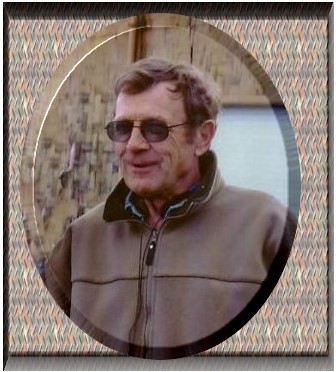
Cree Indian Historian and Storyteller
Mable's story centered around a guide named Jack Fisher who was notorious
for getting into bar-room brawls. According to Mable, most folks didn't
think Jack would live past 40, he was such a hell-raiser. But most also
respected his skill as a hunter-gatherer. He always brought home more
fur (fisher, martin, mink, beaver), and winter meat (deer, moose, fish),
than any of the others.
edit and upload 08-18-2021